REGENERATIVE MEDICINE IN GLENVIEW · CHICAGO AREA

Regenerative
Medicine

Support your recovery.
Stay connected to life.

Personalized care for joint pain, select soft-tissue injuries, and the life you want to keep living. Explore nonsurgical options built around your condition, your movement, and your goals.

Active longevity. Joint preservation. Personalized care.

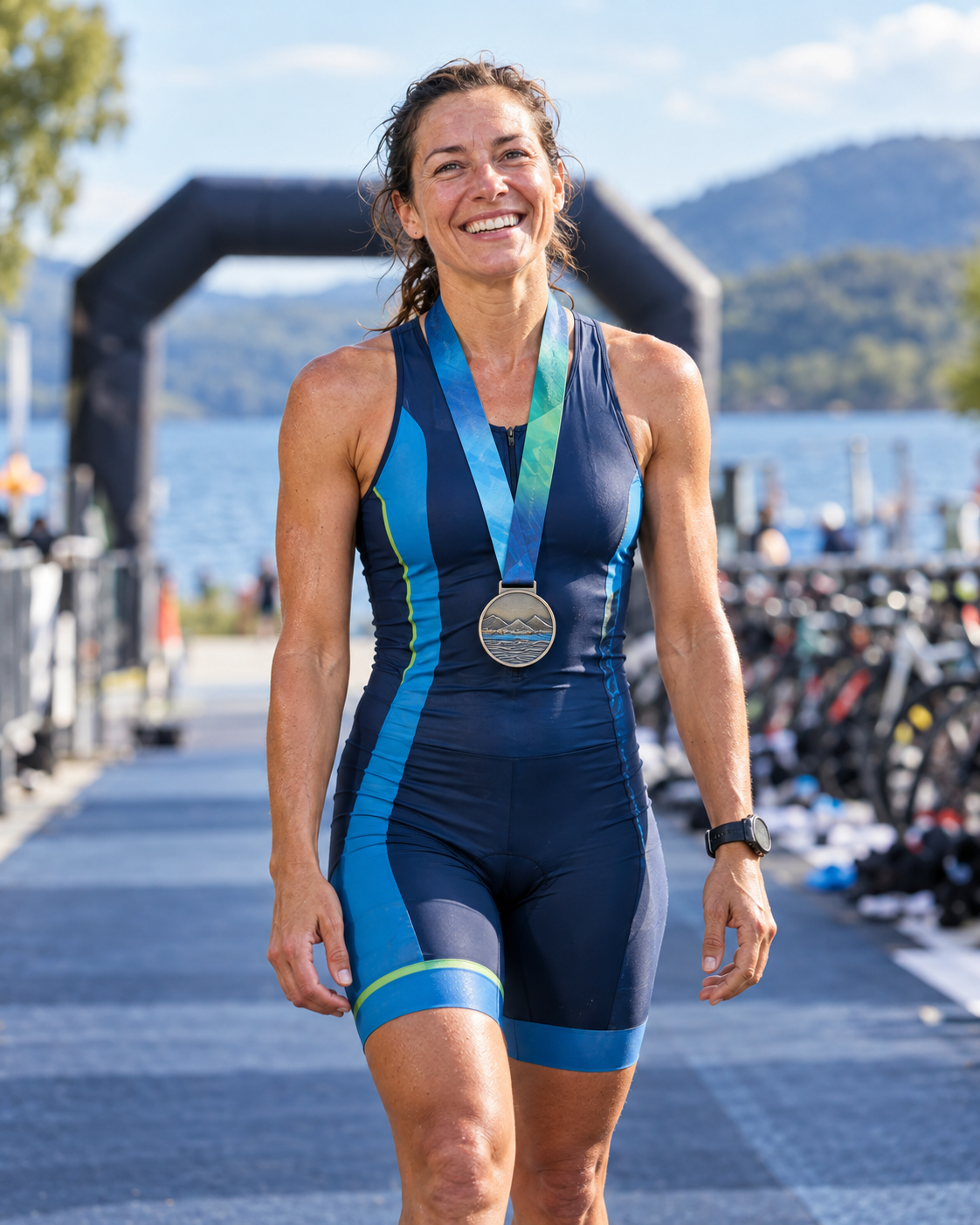
Triathlon finisher wearing a medal around her neck at an outdoor finish area
360°CARE FOR
YOUR
BEST LIFE
CARE THAT STARTS WITH YOUDesigned around your goals.
Physician-led careNonsurgical optionsPersonalized treatmentOngoing support
25+Years serving our communities
60+Years of combined clinical staff experience
5,000+Treatments across our regenerative care programs

Understanding regenerative medicine

What is regenerative medicine and how does it work?

Regenerative medicine studies ways to support, repair, or replace damaged tissues. In joint and tendon care, it includes PRP and certain cell-based approaches. These treatments differ in their evidence, risks, and regulatory status; the term does not mean that an injection will regrow cartilage. HSS explains the treatment categories.

Explore university perspectives on regenerative medicine

At ReGen360, that broader perspective begins with how you move, feel, and live. We evaluate your symptoms, health history, and activity goals to explore whether regenerative care may have a role in your recovery and long-term function.

Active longevity. Joint preservation.
Our goals are to help you pursue comfortable movement, maintain function, and stay engaged in an active life. Recommendations are personalized; results and the evidence supporting different approaches vary.

Your ReGen360 roadmap

Your evaluation and follow-up plan

  1. 01

    Understand

    Start with your symptoms, health history, movement, and personal goals.

  2. 02

    Personalize

    Review suitable options and make an informed decision with your clinician.

  3. 03

    Support

    Connect treatment with an individualized plan for activity and recovery.

  4. 04

    Reassess

    Follow pain, mobility, and the activities that matter to you over time.

How do PRP, BMAC, and donor-derived tissue products differ?

The source material and preparation matter. These categories have different procedures and evidence; “regenerative” is not a single standardized treatment.

On a small screen, swipe across the table to compare all options.

Regenerative treatment categories explained
ConsiderationPRPBone marrow aspirate concentrate (BMAC)Donor-derived tissue products
SourceYour own blood, processed to concentrate platelets and the growth factors they release. [5]Your own bone marrow, commonly collected from the pelvis and processed into a concentrate containing cells and signaling proteins. [5]A broad category that may include placental, amniotic, or umbilical tissue products.
What is involved?Blood collection, PRP preparation and a targeted injection. The care plan can include rehabilitation and follow-up focused on comfort and movement.Marrow collection, usually with local anesthesia, followed by preparation and targeted injection. Aftercare addresses both the collection site and treated area.Preparation and administration vary by the specific product.
Published clinical benefitsKnee osteoarthritis: An 18-trial meta-analysis reported clinically meaningful pain relief at 3 and 6 months and functional improvement through 12 months versus placebo. [1]

A separate cohort reported 12-month response rates of 75.2% for KL grade 2 and 66.5% for grade 3 after three leukocyte-poor PRP injections. [2]
Knee osteoarthritis: A randomized trial reported pain and functional improvements from baseline sustained through 24 months, with outcomes comparable to PRP. [3]

Another randomized trial found sustained improvements through 24 months, with more durable pain benefits in mild osteoarthritis compared with hyaluronic acid. [4]
Evidence cannot be generalized across products. Ask for studies on the exact product and use.
Safety and aftercareDiscuss temporary soreness, injection precautions, expected response and the follow-up plan with your clinician.Discuss comfort measures, precautions for marrow collection and injection, and the individualized recovery plan.Infection, immune reactions, processing, donor screening, and product-specific risks.
Regulatory questionsDevice clearance does not establish that PRP treats a particular condition effectively.Using your own cells does not automatically exempt the procedure from FDA oversight.FDA registration is not product approval; ask for the applicable status and authorized use.

The cited benefits concern knee osteoarthritis study populations, not measured ReGen360 outcomes. Symptom improvement does not establish cartilage regrowth. Results vary by condition, preparation and patient.

How these options connect to care at ReGen360

PRP at ReGen360

PRP fits ReGen360's personalized approach to joint and selected tendon concerns, with goals of easing symptoms, improving movement and supporting an active life. Published knee research helps inform the discussion of patient selection, preparation and follow-up.

BMAC in your ReGen360 consultation

For patients exploring bone marrow-based care, a ReGen360 consultation can connect the published research with the diagnosis, previous treatment and mobility goals. Discuss whether this approach is appropriate and how rehabilitation and follow-up would fit the plan.

Sources: HSS overview of PRP and BMAC; Stanford description of orthobiologic procedures; AAOS stem-cell patient guidance; FDA patient information on regenerative medicine. The FDA warning addresses unapproved products marketed for orthopedic conditions; it should not be interpreted as saying every therapy in the wider field of regenerative medicine has the same status.

For more detail, read our PRP treatment guide.

The science, made simple

What does the science say about tissue repair?

The biological rationale for a treatment and proof of benefit in patients are different questions. Current evidence does not establish that injections of PRP, BMAC, or adipose concentrates reliably regrow musculoskeletal tissues. See the HSS discussion of tissue-regrowth evidence.

01 · BIOLOGICAL COMMUNICATION

Signals that guide repair

Cells communicate through biological signals that help coordinate the response to injury. Regenerative research explores ways to influence these processes.

02 · THE TISSUE ENVIRONMENT

Conditions that shape recovery

Tissue health, the nature of an injury, and the surrounding biological environment all matter. Understanding them helps guide a condition-specific discussion.

03 · MEANINGFUL FUNCTION

Progress beyond the symptoms

For you, progress is practical: walking more comfortably, moving with confidence, and taking part in the activities that make life yours.

The ReGen360 approach

How is a regenerative medicine care plan developed?

Your care plan connects what is happening today with what you want to keep doing tomorrow.

01 / RECOVERY

Understand what needs support

Look at the source of discomfort, the tissues involved, and the factors that may be affecting recovery. Your history and examination shape the next step.

02 / JOINT HEALTH & MOBILITY

Focus on how you move

Discuss pain, stiffness, strength, and activity limitations. Build goals around the everyday movements and physical activities you want to improve.

03 / ACTIVE LONGEVITY

Plan for the life ahead

Connect care with sustainable activity, recovery habits, and regular reassessment. The aim is to support your ability to remain engaged in the life you enjoy.

A broad field. An individual decision. Regenerative medicine includes many approaches with different levels of evidence, suitability, and regulatory status. Your clinician will explain any recommended option in the context of your condition, health, and goals. What to ask before treatment.

Why explore this approach?

What should you consider before treatment?

01

Consider nonsurgical care

Explore whether an in-office treatment is appropriate for your condition and preferences.

02

Make an informed choice

Understand potential benefits, risks, alternatives, and costs before deciding.

03

Set meaningful goals

Build your plan around the movements and activities you want to improve.

04

Stay connected to care

Use follow-up visits to review progress and adjust your plan when needed.

Conditions & concerns

Which conditions may prompt a regenerative medicine evaluation?

Persistent joint pain, stiffness, or selected tendon problems may prompt an evaluation. The diagnosis comes first: evidence for one procedure and condition cannot establish effectiveness for all injuries. Review condition-specific PRP considerations.

JOINT HEALTH

Pain & stiffness

Discomfort or reduced movement that makes stairs, walking, work, or exercise more difficult. Understanding the cause comes first.

Diagnosis-led planning

SOFT-TISSUE CONCERNS

Tendon & ligament issues

Persistent discomfort or limitations following overuse or injury. Your evaluation considers the tissue involved and its effect on your function.

Individual assessment

ACTIVITY & RECOVERY

Getting back to movement

Difficulty returning to sport, fitness, or an active routine. Explore a care plan that fits your current ability and your goals.

Personalized activity goals
Which body areas can I discuss at my consultation?

Bring questions about joint or soft-tissue discomfort affecting the knees, hips, shoulders, elbows, feet, or ankles. The source of pain, the severity of the problem, and the evidence for an option determine what may be appropriate. Some concerns need other care or a specialist referral.

Not sure what is causing your pain?
A personalized consultation is the place to start.

Explore your next step

Your visit, step by step

What happens at a regenerative medicine consultation?

We want you to leave your consultation with a better understanding of your condition and the next step that makes sense for you.

Bring to your consultation

  • A list of medications, supplements, and prior treatments.
  • Relevant imaging or reports, if you have them.
  • Your top activity goals and questions about recovery.
  1. 01

    Clinical evaluation

    Review your history, examine the area of concern, and determine whether imaging or further assessment is needed.

  2. 02

    Shared decision

    Discuss options, expected outcomes, risks, recovery needs, and costs. Treatment begins only when there is an appropriate fit.

  3. 03

    Treatment, if suitable

    Your clinician explains the recommended approach, what the appointment involves, and how to prepare. The plan reflects your needs and informed choice.

  4. 04

    Follow-up & support

    Receive aftercare guidance and a plan to reassess symptoms, function, and your response.

Recovery & expectations

What should you expect during recovery?

Recovery depends on the approach, your condition, and your overall health. Your clinician will explain the expected timeline and how progress will be assessed; improvement is not guaranteed.

AFTER TREATMENT

Protect & settle

Follow the aftercare guidance for your plan, including any short-term activity changes and symptoms to report.

EARLY RECOVERY

Move with a plan

Adjust work, exercise, and daily activity to the guidance for your treatment and diagnosis.

FOLLOW-UP

Review your response

Discuss changes in pain, movement, and function. Improvement is not always immediate or predictable.

ONGOING CARE

Reassess & adapt

Decide together whether to continue the plan, consider another option, or seek a specialist evaluation.

Do not stop prescribed medication on your own. Ask your clinician about medications, supplements, and return-to-activity guidance before your procedure.

Active longevity. Your way.

For the activities that make life yours.

From the golf course to the gym, from a morning walk to time with family—your goals give your care a direction.

Active lifestyle collage showing a couple walking, a runner, a woman practicing yoga, a front-facing golfer, and two cyclists

Patient fit over volume

Who may be a candidate for regenerative medicine?

A consultation may be helpful if pain or reduced function is affecting your activity and you want to understand your options.

  • You have a specific joint, tendon, or movement concern.
  • You want to review nonsurgical options with a clinician.
  • You are ready to discuss your health history and prior treatment.
  • You understand that results vary and follow-up matters.

What risks and regulatory questions should you discuss?

Risks vary by procedure and may include pain, bleeding, infection, or tissue injury. Cell and tissue products can carry additional risks. AAOS explains stem-cell treatment risks and the FDA warns about unapproved regenerative products. Ask about the exact product and intended use.

Your clinician will review your medications, relevant medical conditions, and other factors that may affect eligibility or recovery. Some situations call for a different treatment or specialist referral.

Our commitment: clinical suitability, realistic expectations, and transparent recommendations.

Regenerative Medicine FAQs

A broad field. An individual decision. Explore the differences between treatments, the evidence, and the questions to ask.

Reviewed by Shannon Patel
Clinical Director & Regenerative Medicine Specialist

Evin Koleini, MD
Anesthesiology and Interventional Pain Management
Regenerative Medicine

What is regenerative medicine for joint and tendon care?

Regenerative medicine is a broad field that investigates ways to support, repair, or replace damaged tissues. In musculoskeletal care, it includes approaches such as PRP and certain cell-based treatments. These approaches differ in how they work, the evidence supporting them, their risks, and their regulatory status.

The treatment name alone does not establish that it will restore tissue or improve a particular condition. The specific procedure and intended use matter.

Sources: [7] [8]

How is PRP different from stem cell or cellular therapy?

PRP concentrates platelets from a blood sample. Cellular treatments involve cells obtained from sources such as bone marrow or other tissues. Bone marrow aspirate concentrate (BMAC) contains a mixture of cells and other components; it is not the same as a purified stem cell product.

These treatments are not interchangeable. Evidence that PRP helps one condition does not prove that a cellular product will help it. Ask what evidence supports the exact treatment for your diagnosis.

Sources: [1] [7] [8]

Are regenerative medicine treatments FDA-approved?

FDA status depends on the exact product, how it is processed, and its intended use. There is no blanket FDA approval for regenerative medicine as a category. Using material from your own body does not, by itself, establish that a procedure is exempt from FDA requirements.

FDA warns that the stem cell, exosome, and related products described in its consumer guidance are not approved for orthopedic conditions such as osteoarthritis or tendonitis. Clearance of equipment used to prepare PRP does not establish approval or effectiveness of PRP for a specific joint condition. Ask the clinician to explain the status of the exact treatment proposed.

Sources: [2] [8] [9]

Who may be a candidate for a regenerative treatment?

Candidacy depends on the diagnosis and the specific treatment being considered. Persistent symptoms alone do not establish that an injection is appropriate. An evaluation should consider examination findings, prior treatment, relevant imaging, medical history, and the activities you want to maintain or return to.

Ask how the proposed option compares with rehabilitation and other established treatments, and what evidence applies to someone with your condition.

Sources: [5] [7] [8]

Can regenerative treatments regrow cartilage or prevent surgery?

Regenerative injections should not be presented as a guaranteed way to regrow cartilage or avoid surgery. Pain relief and better function are different outcomes from structural tissue repair. The evidence and likely benefit depend on the treatment and the condition.

For knee osteoarthritis, the RESTORE trial did not find a significant cartilage-volume benefit with PRP compared with saline at 12 months. A treatment discussion should include alternatives and when a surgical opinion may be useful.

Sources: [3] [8]

What should I ask before choosing a regenerative treatment?

Ask what will be used, where it comes from, what evidence supports it for your diagnosis, and what risks and costs are involved. Also ask about its regulatory status, alternatives, and how progress will be measured. A clear explanation should support an informed decision.

Bring your treatment history and questions. Agree on realistic activity goals and a follow-up plan, including what happens if symptoms do not improve.

Sources: [8] [9]

ReGen360 · 847-243-6041

University perspectives

Explore the science of
regenerative medicine.

Learn more about the broader field, tissue repair, and ongoing research through these university resources.

Wake Forest University
School of Medicine

Understanding regenerative medicine

An introduction to the field’s focus on repairing or replacing damaged tissues, and how researchers work across disciplines to move discoveries toward clinical care.

Read the Wake Forest overview (opens in a new tab)school.wakehealth.edu

Stanford University
School of Medicine

From biology to future therapies

Stanford’s Institute for Stem Cell Biology and Regenerative Medicine explains its research mission and efforts to translate discoveries about cells into new medical therapies.

Explore Stanford’s institute (opens in a new tab)med.stanford.edu

Harvard University
Harvard Stem Cell Institute

Research into movement & tissue repair

Harvard’s Musculoskeletal Program studies muscle, tendon, ligament, cartilage, and bone to develop regenerative approaches to injury and disease.

Read about Harvard’s research (opens in a new tab)hsci.harvard.edu

These independent educational resources include research-stage approaches. They do not establish that a particular treatment will work for you or imply university affiliation with or endorsement of ReGen360.

Your next step · Glenview, Illinois

Let’s talk about
what moves you.

Explore a personalized plan for pain, mobility, and the activities you want to keep enjoying.

Additional patient education & clinical references

This page provides general education. Evidence differs by treatment and diagnosis; a clinical evaluation is needed to determine suitability. References do not imply endorsement of ReGen360.